January 19, 2026
The interplay of local dining cultures by the coast extends beyond mere nourishment, weaving a tapestry of community interactions, culinary innovation, and coastal traditions. Examining how these elements come together reveals much about the spirit of local dining scenes worldwide. Coastal communities often act as microcosms of larger cultural coherences, showcasing unique food practices intertwined with maritime influences. As globalization accelerates cultural exchanges, the coastal dining experiences stand as vanguards preserving local identities while evolving with the times. In doing so, these communities not only attract tourists but also deeply affect their local economies and social structures.
The Role of Community in Shaping Local Dining
Community-Supported Agriculture (CSA) programs have become an integral part of local dining cultures, fostering sustainable relationships between producers and consumers. These programs enable diners at local restaurants to enjoy fresh, seasonal produce directly sourced from nearby farms. CSAs strengthen community ties by involving citizens in the agricultural process, creating a shared commitment to local food systems. By participating, consumers directly contribute to the financial stability of small farms, ensuring the preservation of agricultural heritage. Moreover, local restaurants benefit from CSAs by gaining access to high-quality, fresh ingredients, enhancing their menu offerings.
Restaurants that adopt CSA programs often prioritize sustainable practices, emphasizing farm-to-table initiatives. This commitment not only elevates the dining experience but also attracts conscious consumers who value environmentally responsible choices. Such collaborations between farms and local restaurants exemplify community-driven dining, creating interconnected networks that enhance local economies. As these partnerships flourish, they promote sustainable agriculture and encourage culinary creativity, enabling chefs to experiment with innovative dishes unique to their region. Consequently, community-supported dining emerges as a powerful force sustaining local gastronomy while fostering environmental stewardship.
The synergy between CSAs and local restaurants serves as a cornerstone for community engagement and economic resilience. Local dining establishments that champion CSA partnerships tend to build loyal customer bases, as patrons appreciate the farm-fresh elements in their meals. The commitment to sourcing locally not only bolsters the community's economy but also positions these restaurants as integral community touchstones. The growing embrace of CSAs at dining venues aligns with broader consumer shifts towards transparency and sustainability. This movement reflects a collective desire to support small-scale agriculture while enjoying uniquely local culinary experiences.
Neighborhood Food Festivals and Events
Neighborhood food festivals are vibrant celebrations that showcase the unique culinary traditions of coastal communities. These events often feature an array of local delicacies, providing attendees with the opportunity to sample diverse cuisines and experience regional flavors. Through such festivals, local chefs and food artisans gain a platform to showcase their talents and innovations. The events foster a sense of pride and camaraderie among community members, strengthening social bonds through shared culinary experiences. By highlighting the area's gastronomic offerings, these festivals attract both residents and tourists, injecting vitality into the local economy.
Food festivals also serve as sites of cultural exchange, where people from different backgrounds come together in appreciation of diverse culinary traditions. These gatherings often include cooking demonstrations, workshops, and competitions, facilitating knowledge sharing and skill development. Furthermore, collaborations between local food vendors and sponsors amplify the impact of these events, spurring economic activity and opportunities for small businesses. As a result, food festivals have become valuable platforms for showcasing local talent, fostering innovation, and celebrating culinary heritage. The collective energy of these events energizes the coastal dining scene, creating lasting memories for attendees.
The continued success of neighborhood food festivals hinges on community participation and support. Organizers rely on volunteers, local businesses, and governmental assistance to bring these celebrations to life. In return, the events contribute to the community's cultural vibrancy and economic well-being, drawing visitors who contribute to the local hospitality and tourism sectors. As food festivals expand, they embody the spirit of local dining by promoting cultural appreciation, driving economic revitalization, and forging deeper community connections. The shared experiences and culinary adventures found at these events enrich both participants and the broader coastal communities they represent.
Local Farmers and Fishermen Collaborations
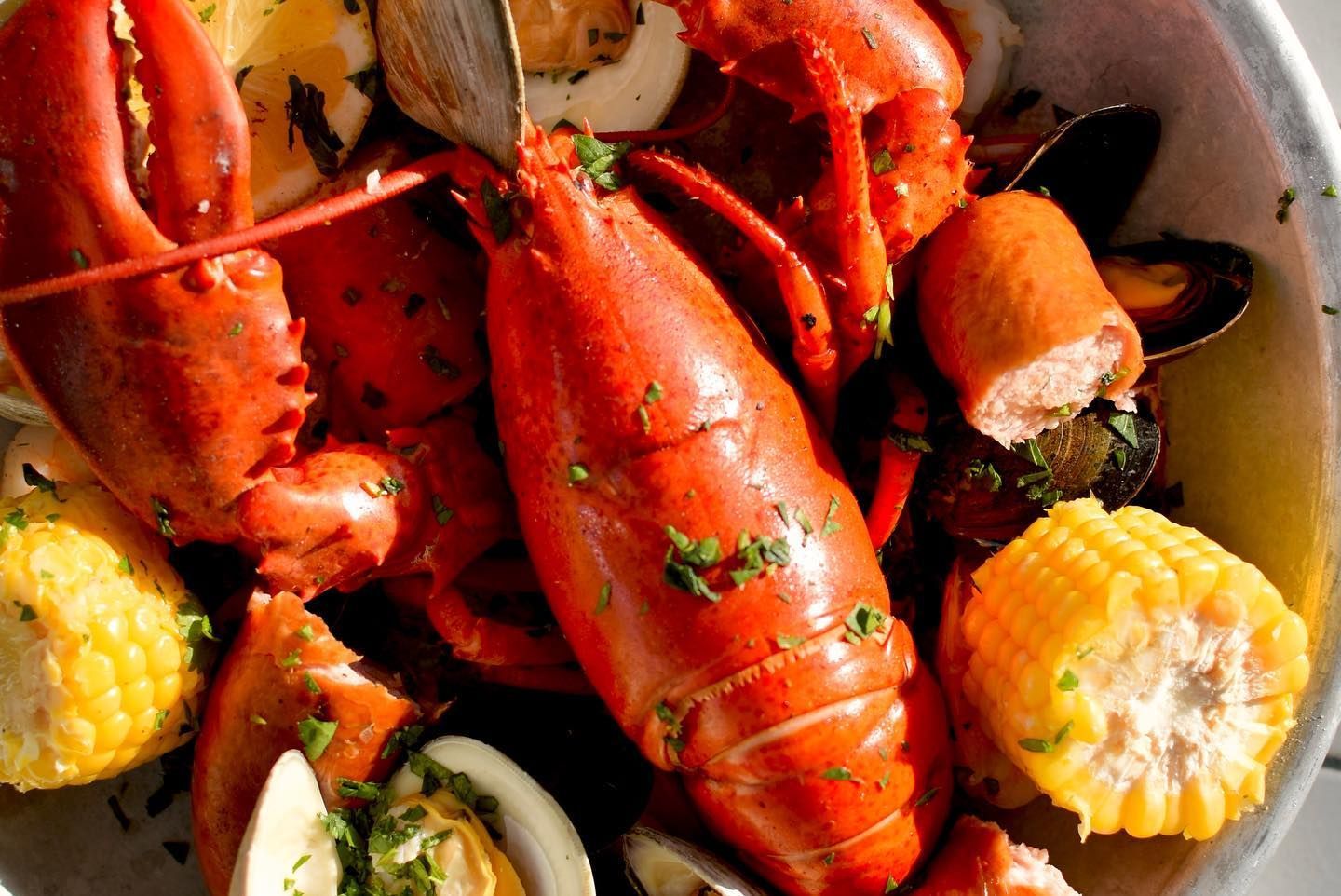
The collaboration between local farmers and fishermen is a fundamental component of coastal dining's unique appeal. These partnerships ensure the availability of fresh, high-quality produce and seafood that define coastal culinary experiences. By working together, these producers contribute to supply chains that prioritize sustainability and support local economies. The direct relationships between local restaurants, farmers, and fishermen facilitate a transparent food system where quality and environmental responsibility are paramount. As a result, diners benefit from flavorful dishes that highlight seasonal specialties and local favorites.
The economic impact of these collaborations is significant, contributing to job creation and the stability of small-scale operations. According to NetSuite, in the U.S. restaurant industry, sales are projected to reach $1.1 trillion in 2025, marking a 4% increase from 2024. By investing in local partnerships, local restaurants help distribute economic benefits within their communities, sustaining small and family-owned businesses. The ripple effect of this support extends beyond individual transactions, fostering a resilient local economy. Furthermore, these alliances encourage environmentally conscious practices, such as sustainable fishing techniques and organic farming.
The cultural implications of farmer-fishermen collaborations are equally profound, as they leverage generational knowledge and traditions passed down through families. These enduring partnerships preserve ancient harvesting methods while integrating modern techniques to adapt to contemporary culinary tastes. As these collaborations evolve, they continue to underscore the importance of protecting coastal ecosystems and culinary heritage. By integrating these practices into the dining landscape, restaurants create holistic experiences that honor and elevate the region's unique culinary identity. Through these cooperative efforts, the spirit of local dining is sustained, enriching both cultural vitality and ecological stewardship.
Ethnic Enclaves and Their Culinary Influence
Ethnic enclaves are vibrant centers of cultural richness that significantly influence the dining landscape of coastal areas. These communities, formed through historical migration and settlement patterns, showcase diverse culinary traditions that captivate the senses. Often clustered around coastal regions, ethnic enclaves offer unique food experiences that reflect both tradition and adaptation. Their presence infuses local dining scenes with global flavors and techniques, attracting adventurous diners seeking culinary diversity. By embracing these cultural contributions, coastal dining becomes a tapestry of interconnected identities, celebrating the fusion of flavors and histories.
The impact of ethnic enclaves extends beyond the culinary realm, fostering cultural understanding and appreciation among diverse populations. Dining at ethnic local restaurants often entails more than just a meal; it provides an opportunity for cultural immersion and dialogue. These establishments become cultural ambassadors, offering authentic experiences that bridge cultural divides and enhance social cohesion. Through food, stories of migration, adaptation, and resilience are shared, fostering a sense of community while promoting inclusivity. The sustained presence of ethnic enclaves within coastal regions helps preserve cultural heritage while contributing to the dynamic evolution of local dining.
The economic contributions of ethnic enclaves are vital to coastal communities, as they drive growth in the restaurant and hospitality sectors. Many of these businesses are family-owned, contributing to the local economy by generating employment opportunities and attracting tourism.
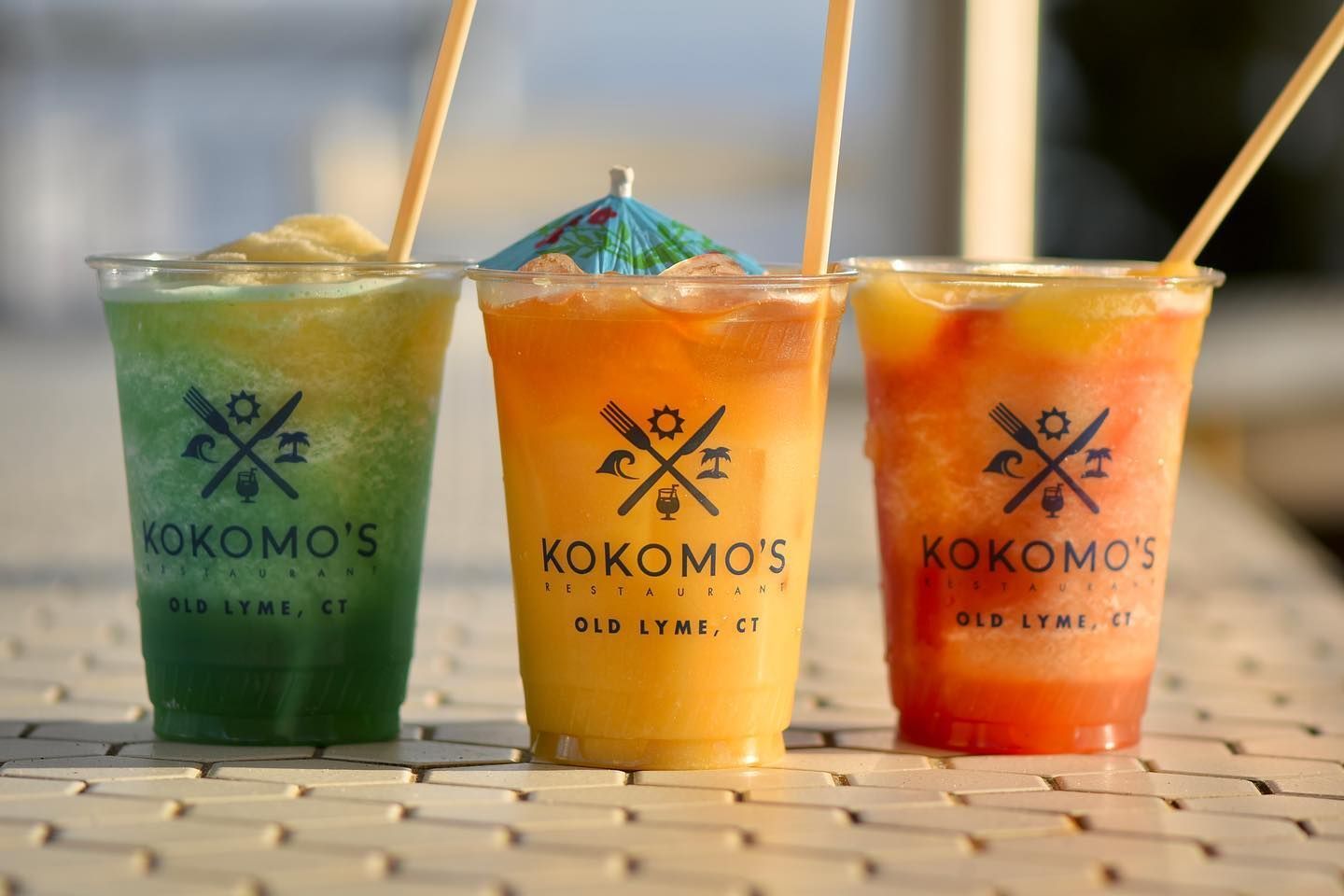
Local dining cultures along the coast are shaped by strong community ties, sustainable partnerships, and rich cultural diversity. From farm and sea collaborations to vibrant food festivals and ethnic culinary influences, these elements come together to create dining experiences that are both meaningful and memorable. By preserving tradition while embracing innovation, coastal communities continue to foster unique food scenes that support local economies, strengthen social connections, and celebrate the diverse identities that define life by the sea. Come try out Kokomo's Restaurant today!